The Role of AI in Enhancing Business Efficiency
Exploring how AI can streamline operations and improve productivity.
In today’s fast-paced business environment, companies are increasingly turning to artificial intelligence (AI) as a tool to enhance operational efficiency and boost productivity. With the capacity to analyze vast amounts of data and automate routine tasks, AI applications have the potential to transform how businesses operate. From optimizing supply chains to improving customer service, AI can streamline processes and allow organizations to focus on strategic initiatives. This article delves into the various ways AI is being leveraged across different sectors to enhance efficiency and productivity.
Automating Routine Tasks
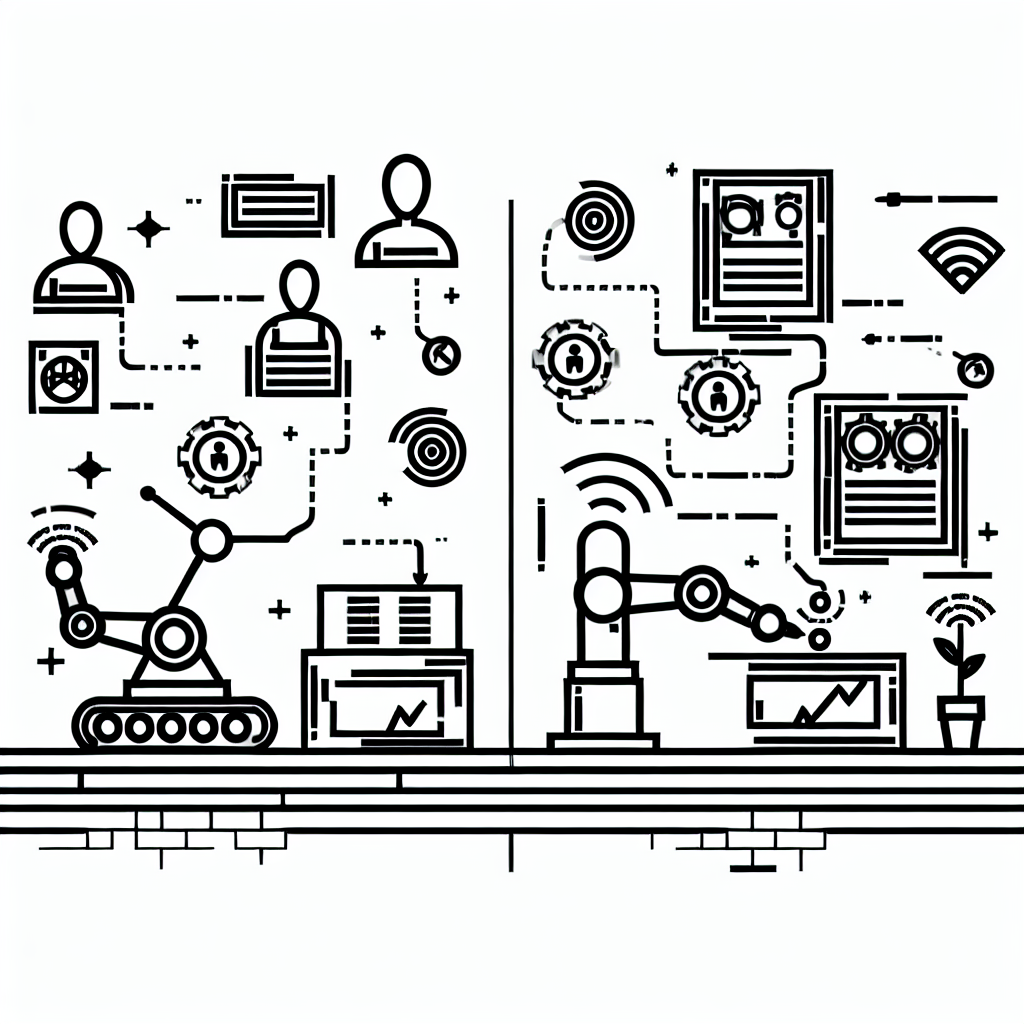
One of the most significant benefits of AI is its ability to automate mundane and repetitive tasks. In various industries, including manufacturing and service sectors, AI technologies such as robotic process automation (RPA) are deployed to handle repetitive processes like data entry, invoice processing, and customer inquiries. By automating these tasks, businesses can significantly reduce the time and effort required by human employees, allowing them to focus on more complex and value-driven activities.
Research indicates that automating routine tasks can lead to substantial cost savings. For example, companies that implement RPA can see a reduction in operational costs by as much as 30%. Furthermore, automation minimizes the risk of human error, which can lead to improved quality and consistency in outputs. As companies continue to adopt AI-driven automation, the efficiency gained can translate into faster turnaround times and increased customer satisfaction.
Enhancing Decision-Making Processes
Another area where AI is making a substantial impact is in supporting decision-making processes. Businesses are increasingly utilizing AI-driven analytics tools to gain insights from data that would be impossible to analyze manually. These tools can sift through large datasets to identify trends, forecast demand, and optimize resource allocation.
Evidence suggests that organizations employing AI for data analysis can make more informed decisions, leading to improved business outcomes. For instance, retailers can use AI to analyze customer purchasing patterns, allowing them to tailor marketing strategies and inventory management according to predicted consumer behavior. This data-driven approach can enhance efficiency by ensuring that resources are allocated more effectively, reducing waste, and maximizing sales opportunities.
Revolutionizing Customer Service
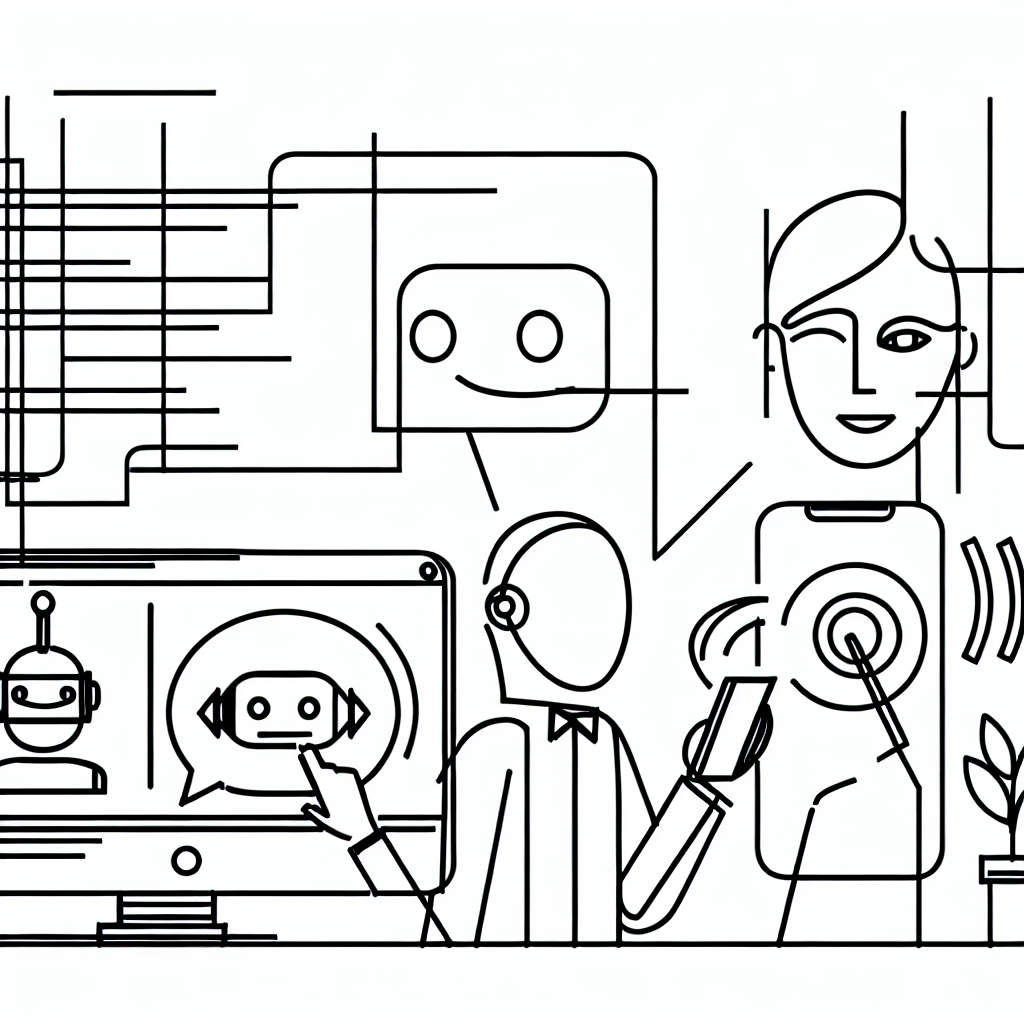
Customer service is another domain where AI applications have proven to be transformative. Many businesses are now utilizing AI-powered chatbots and virtual assistants to handle customer inquiries and provide support around the clock. These tools can respond to common questions, resolve issues, and even facilitate transactions, all of which enhance customer experience while simultaneously freeing up human agents for more complex tasks.
Typically, AI chatbots can handle a significant volume of inquiries simultaneously, allowing businesses to scale their customer service operations without proportional increases in staffing. Furthermore, AI systems can learn from interactions, continuously improving their responses and effectiveness over time. As a result, organizations can expect to see not only enhanced efficiency but also higher customer satisfaction rates, as customers receive quicker and more accurate assistance.
Optimizing Supply Chain Management
In the realm of supply chain management, AI technologies are being employed to optimize logistics and inventory management. AI-driven predictive analytics can help businesses anticipate demand fluctuations, allowing them to adjust their supply chains accordingly. This proactive approach can minimize excess inventory, reduce carrying costs, and improve overall operational efficiency.
Additionally, AI can enhance the visibility of supply chain processes. By utilizing machine learning algorithms, companies can analyze data from various sources to gain insights into supply chain dynamics. These insights can help identify potential bottlenecks and inefficiencies before they escalate into significant issues. Consequently, businesses that harness AI for supply chain management can operate more smoothly and respond to market changes more effectively.
Transforming Workforce Management
The integration of AI into workforce management is also gaining traction. Organizations are employing AI tools to analyze employee performance, predict turnover, and enhance recruitment processes. For instance, AI can assess the suitability of candidates for specific roles by analyzing resumes and matching skills to job requirements.
Moreover, AI can facilitate personalized employee development by identifying training needs and recommending development plans. This not only enhances employee engagement but also aligns workforce capabilities with business objectives. By optimizing workforce management through AI, organizations can boost productivity and reduce employee turnover, contributing to a more efficient operation overall.