AI in Healthcare: Transforming Patient Care
Innovative AI solutions improving healthcare outcomes.
The integration of artificial intelligence (AI) within the healthcare sector is rapidly reshaping the landscape of patient care and healthcare delivery. Innovative AI solutions are being employed to enhance diagnostic accuracy, streamline administrative processes, and ultimately improve patient outcomes. As healthcare systems worldwide grapple with the increasing demands of patient care and the complexities of modern medicine, AI presents a viable pathway to address these challenges through efficiency and precision.
AI technologies are being leveraged in various capacities, from predictive analytics that assist in early disease detection to virtual health assistants that provide personalized patient support. The potential of AI to transform healthcare is vast, but it also raises questions about implementation, ethics, and the future role of healthcare professionals. Understanding the multifaceted impact of AI on healthcare is crucial for stakeholders at every level, from policymakers to practitioners.
Enhancing Diagnostic Accuracy
One of the most significant applications of AI in healthcare is in the realm of diagnostics. Machine learning algorithms are being developed to analyze complex medical data, such as imaging scans, pathology reports, and even genomic sequences. Research indicates that these AI systems can identify patterns that may be missed by the human eye, leading to earlier and more accurate diagnoses. For instance, AI-driven tools have shown promise in detecting conditions such as cancers and cardiovascular diseases at stages where intervention can be most effective.
Moreover, the integration of AI into diagnostic processes is not meant to replace healthcare professionals but rather to augment their capabilities. By providing clinicians with advanced analytical tools, AI can help them make informed decisions more efficiently. Evidence suggests that when healthcare providers utilize AI-assisted diagnostics, there is a notable reduction in error rates, which can significantly enhance patient safety and treatment outcomes.
Streamlining Administrative Processes
Healthcare systems are often burdened by administrative inefficiencies that can detract from patient care. AI technologies are being implemented to streamline these processes, allowing healthcare professionals to focus on direct patient interaction. Natural language processing (NLP) and robotic process automation (RPA) are examples of AI applications that can handle tasks such as scheduling appointments, managing patient records, and processing insurance claims.
These advancements not only reduce the administrative burden on healthcare staff but also improve the overall patient experience. By automating routine tasks, healthcare workers have more time to spend with patients, leading to more personalized care. Research indicates that organizations that have adopted AI-driven administrative solutions report increased staff satisfaction and improved patient feedback, highlighting the dual benefits of efficiency and enhanced service delivery.
Personalizing Patient Care
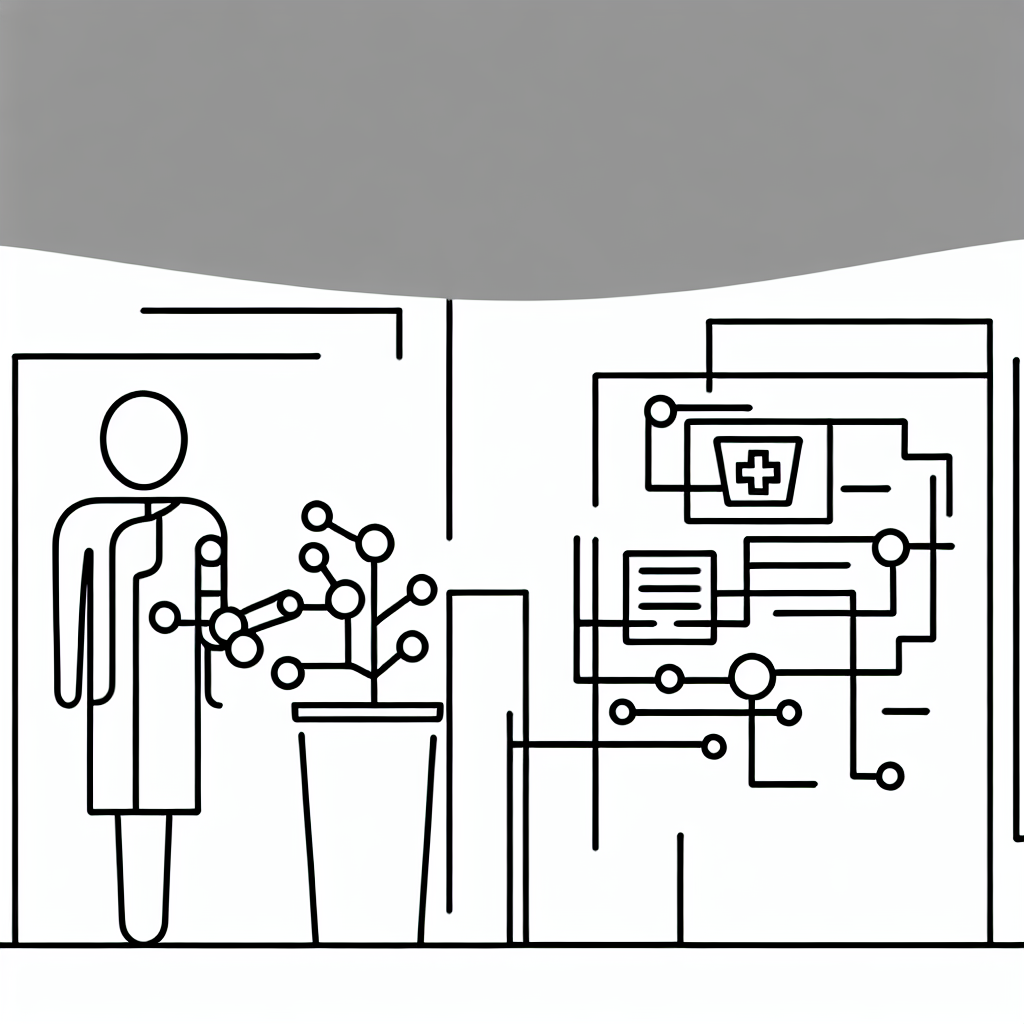
AI is also revolutionizing the approach to personalized medicine. Through the analysis of vast datasets, AI can identify individual patient characteristics and tailor treatment plans accordingly. This personalized approach is particularly evident in areas such as pharmacogenomics, where AI algorithms analyze how different patients metabolize medications, allowing for customized drug prescriptions that maximize efficacy and minimize adverse effects.
Moreover, AI-powered platforms can facilitate continuous patient monitoring through wearable devices and mobile applications. These tools collect real-time health data, enabling healthcare providers to respond swiftly to changes in a patient’s condition. The ability to personalize care not only improves patient outcomes but also fosters a sense of autonomy and engagement among patients, as they become active participants in their own health management.
Challenges and Considerations
Despite the promising potential of AI in healthcare, there are challenges that must be addressed. Ethical considerations surrounding data privacy and security are paramount, as AI systems often rely on vast amounts of personal health information. Ensuring that patient data is protected and used responsibly is critical to maintaining trust in the healthcare system.
Additionally, the implementation of AI technologies requires significant investment in infrastructure and training. Healthcare organizations need to ensure that their staff is equipped to work alongside AI systems effectively, which may involve rethinking traditional workflows. The transition to an AI-enhanced healthcare environment must be approached with careful planning and an emphasis on collaboration between technology developers and healthcare professionals.
The Future of AI in Healthcare
As AI technology continues to evolve, its applications in healthcare are expected to grow exponentially. The ongoing development of more sophisticated algorithms and integration with other technologies, such as telemedicine and electronic health records, will likely lead to even greater enhancements in patient care. Research suggests that the future of healthcare will be characterized by a synergistic relationship between AI and human providers, where technology complements clinical expertise.
In conclusion, the integration of AI in healthcare is poised to transform patient care, making it more efficient, accurate, and personalized. As healthcare stakeholders navigate the complexities of this transformation, a focus on ethical practices, staff training, and patient engagement will be essential to realizing the full potential of AI technologies.