AI's Role in Enhancing Remote Work Productivity
Exploring how AI tools boost efficiency in remote work settings.
The rise of remote work has fundamentally changed how teams collaborate and operate. As businesses adapt to this new environment, the integration of AI tools has emerged as a powerful catalyst for enhancing productivity and streamlining workflows. By leveraging advanced technologies, organizations can boost efficiency, foster collaboration, and ultimately achieve better results, even from a distance. This article delves into the various ways AI enhances remote work settings, focusing on practical implementations and their positive impacts.
In today’s fast-paced work environment, optimizing productivity is critical.
Transforming Communication and Collaboration
One of the most significant challenges of remote work is maintaining effective communication among team members. AI-driven communication tools provide solutions that help bridge the gap created by physical distance. These tools often utilize natural language processing to facilitate smoother interactions, ensuring that messages are clear and contextually relevant. For instance, chatbots can assist in managing inquiries, scheduling meetings, and even providing instant access to resources, allowing team members to focus on their core tasks rather than administrative duties.
“AI tools are redefining how teams communicate, making collaboration more efficient and effective.”
Moreover, platforms that incorporate AI can analyze communication patterns and offer insights into team dynamics. By understanding how teams interact, organizations can identify bottlenecks in communication and implement strategies to enhance collaboration. Such tools can even suggest optimal meeting times based on participants’ schedules, ensuring that discussions occur when intended participants are available, thereby increasing engagement and productivity.
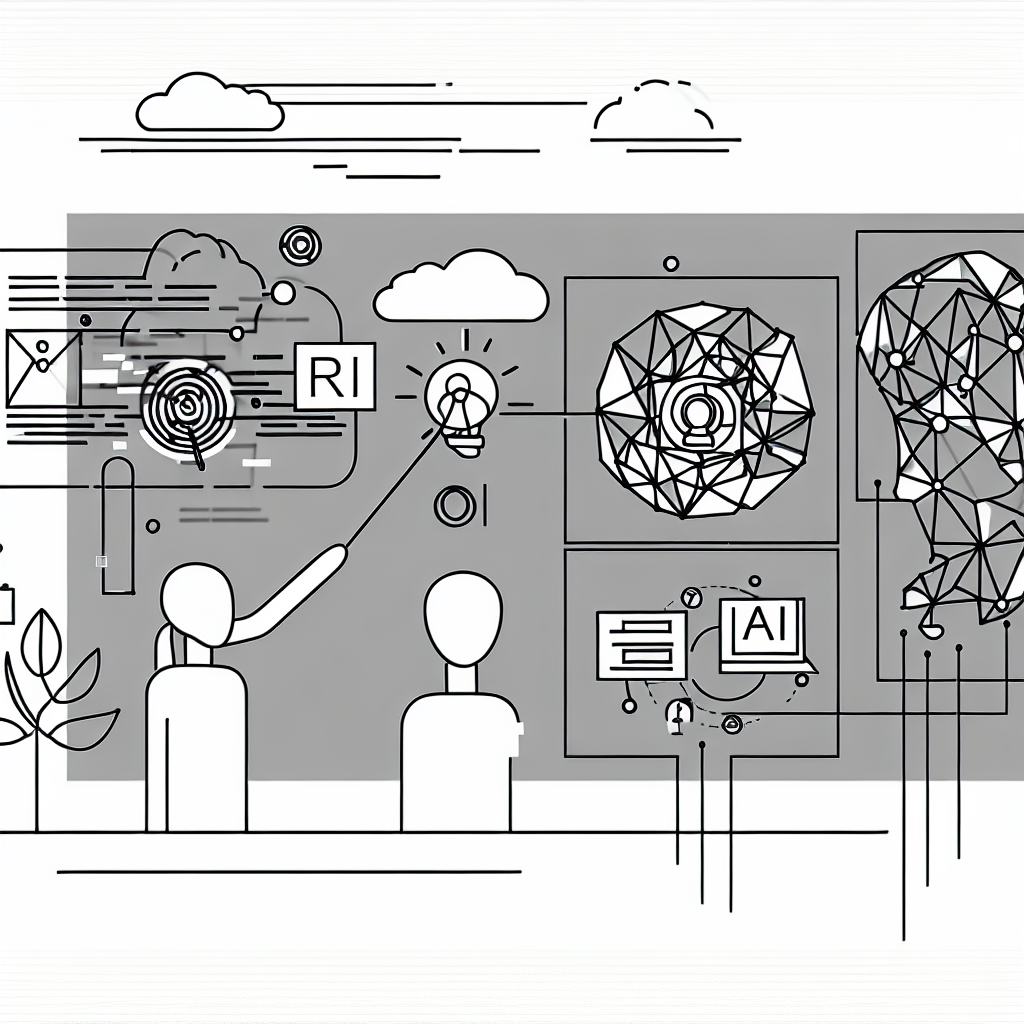
In addition to communication, AI tools also enhance project management by automating routine tasks. This allows teams to spend less time on repetitive processes and more on critical decision-making. For example, AI can track project progress, analyze team workloads, and predict potential delays, enabling proactive adjustments to maintain momentum.
Enhancing Productivity with Automation
Automation is another key area where AI plays a pivotal role in improving remote work productivity. By automating repetitive tasks, teams can redirect their focus toward more strategic initiatives. AI-driven tools can analyze vast amounts of data and perform tasks such as data entry, report generation, and inventory management with minimal human intervention. This not only reduces the likelihood of errors but also frees up valuable time for employees to engage in higher-level thinking and creativity.
Research indicates that organizations implementing automation have witnessed substantial productivity gains. By streamlining workflows, businesses can achieve a more agile work environment, where team members can quickly adapt to changing circumstances and demands. The efficiency gained through automation can lead to faster project completions, improved customer satisfaction, and ultimately, enhanced profitability.
Furthermore, AI tools can offer personalized assistance, tailoring workflows according to individual preferences and work habits. This customization can significantly enhance employee satisfaction and engagement, as team members feel more empowered to manage their workloads effectively.
Data-Driven Decision Making

In the realm of remote work, making informed decisions is crucial. AI technologies can assist organizations in gathering and analyzing data more efficiently than traditional methods. By harnessing the power of big data analytics, teams can derive insights from various sources, leading to better strategic decisions. For example, sentiment analysis tools can gauge employee morale and engagement levels, allowing leaders to address concerns before they escalate.
This data-driven approach not only improves decision-making but also fosters a culture of transparency and accountability. Team members are more likely to feel valued when their input and feedback are taken into consideration, which can lead to higher retention rates and overall job satisfaction.
Moreover, AI tools can facilitate real-time performance tracking, offering managers visibility into team outputs and progress. This transparency helps in identifying high performers and areas needing improvement, enabling targeted interventions that can enhance team efficacy.
Addressing Challenges in Remote Work
While the advantages of AI tools in enhancing remote work productivity are extensive, organizations must also navigate several challenges. The reliance on technology can lead to feelings of isolation among employees, as virtual interactions may not fully replicate the dynamics of in-person collaboration. It is essential for businesses to actively foster a sense of community and connection among remote teams.
Implementing regular virtual check-ins, team-building activities, and open forums for discussion can help mitigate feelings of disconnection. Additionally, organizations must ensure that employees receive proper training on the AI tools they utilize, as a lack of familiarity can hinder productivity and effectiveness.
“The success of AI in remote work hinges not only on the tools themselves but also on how organizations choose to implement and support their use.”
Moreover, organizations should prioritize data privacy and security when leveraging AI tools. As remote work often involves handling sensitive information, it is vital to ensure that data is protected against breaches and unauthorized access. Developing robust security protocols and offering training on best practices can foster a safer remote working environment.
Conclusion
AI has proven to be a transformative force in enhancing productivity and collaboration in remote work settings. By integrating AI tools into daily operations, organizations can streamline communication, automate repetitive tasks, and make data-driven decisions that bolster efficiency. However, it is crucial to address challenges related to employee engagement and data security to fully realize the potential of these technologies.
As remote work continues to evolve, the role of AI will likely expand, offering even more innovative solutions to meet the dynamic needs of modern teams.