AI in Education: Enhancing Learning Outcomes
Exploring the role of AI technologies in improving educational experiences.
The integration of artificial intelligence (AI) in education is reshaping the landscape of learning. As technology continues to evolve, educators and institutions are increasingly turning to AI solutions to address diverse student needs and improve learning outcomes. By leveraging AI, educational experiences can be tailored to individual learner profiles, enabling a more engaging and effective learning environment. This article explores the multifaceted role of AI in education, focusing on personalized learning, student engagement, and the broader implications for educational technology.
The potential of AI in education is profound and transformative.
Personalized Learning through AI
One of the most significant contributions of AI in education is the facilitation of personalized learning. This approach tailors educational experiences to meet the unique needs, interests, and learning paces of individual students. By analyzing data on student performance, AI systems can identify strengths and weaknesses, allowing educators to modify instructional strategies accordingly.
“Personalized learning is no longer a distant dream; it’s becoming a reality through advancements in AI technology.”
For instance, adaptive learning platforms utilize algorithms that adjust the difficulty of content in real time, ensuring that students are neither overwhelmed nor under-challenged. As a result, students can progress at their own pace, enhancing their understanding and retention of material. Research indicates that personalized learning can lead to improved academic performance and increased motivation among students, as they feel more in control of their educational journeys.

Moreover, AI can assist educators in creating customized learning pathways. By analyzing learning data, AI tools can recommend specific resources or interventions tailored to each student. This data-driven approach not only supports academic growth but also fosters a sense of agency among learners, encouraging them to take ownership of their education.
Enhancing Student Engagement
Another critical area where AI is making a significant impact is in student engagement. Traditional teaching methods often struggle to captivate the attention of today’s tech-savvy learners. AI technologies offer innovative solutions to this challenge by incorporating interactive elements into the learning process. Through gamification, virtual reality, and augmented reality experiences, students can immerse themselves in their subjects, making learning more enjoyable and impactful.
AI-driven platforms can also facilitate real-time feedback, allowing students to understand their progress and areas for improvement instantly. This immediate response can enhance motivation and engagement, as students receive timely encouragement and guidance. Furthermore, AI can help identify disengaged students early on, prompting educators to implement targeted strategies to re-engage them.
A notable example of this is the use of chatbots in educational settings. These AI-driven assistants can provide students with instant support, answering questions, and offering resources outside of traditional classroom hours. This 24/7 availability fosters a more inclusive learning environment, accommodating diverse schedules and learning styles.
The Role of Data in Education
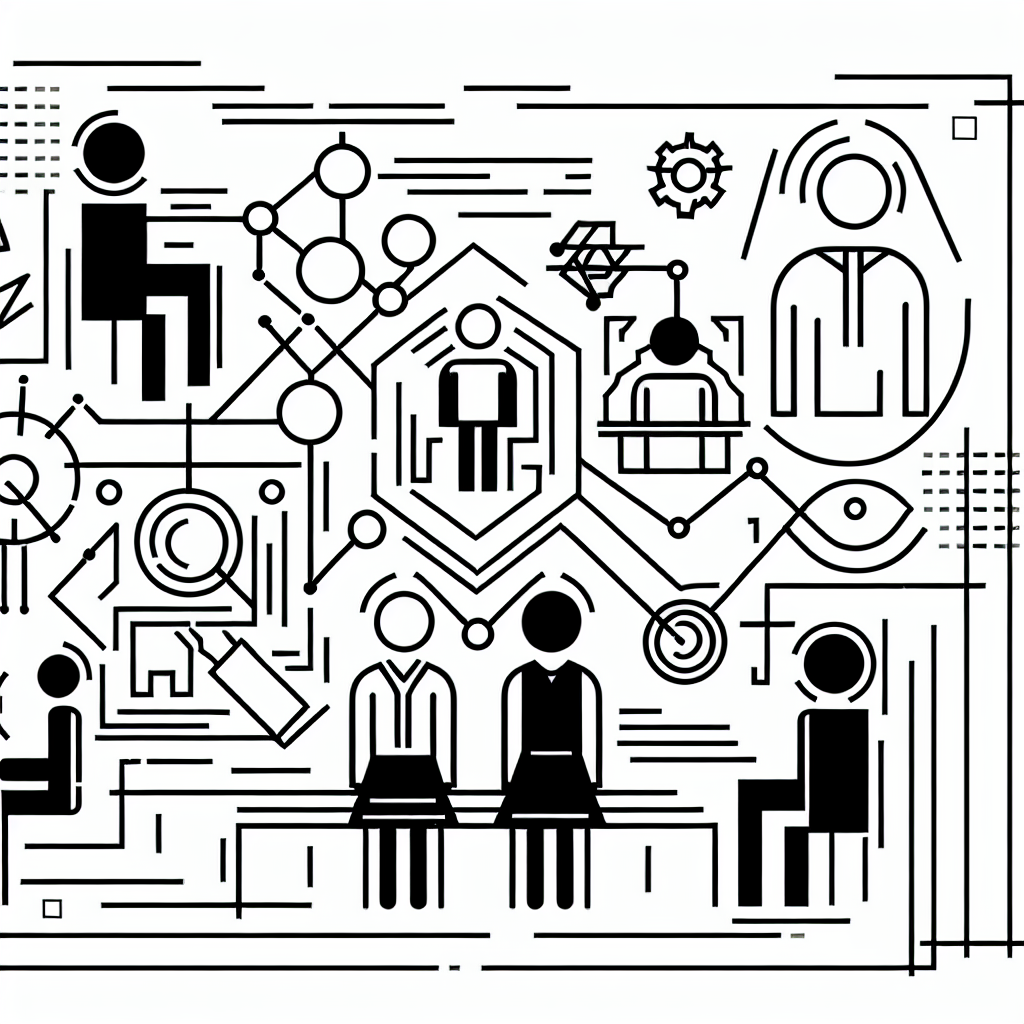
Data plays a pivotal role in the effectiveness of AI in education. The ability to gather and analyze vast amounts of information allows for more informed decision-making by educators. Predictive analytics, powered by AI, can identify trends and patterns in student behavior, enabling institutions to make proactive adjustments to curricula and teaching methods.
“Data-driven insights are revolutionizing how educators approach teaching and learning.”
However, the reliance on data also raises important questions about privacy and security. As educational institutions collect data on student performance and behaviors, they must ensure that this information is handled responsibly and ethically. Establishing clear guidelines for data usage and maintaining transparency with students and parents is essential to building trust in these technologies.
Furthermore, educators must be trained to interpret and utilize data effectively. Professional development programs focusing on data literacy can empower teachers to harness the full potential of AI tools, ensuring that they can make data-informed decisions that positively impact student learning.
Challenges and Considerations
Despite the numerous benefits that AI brings to education, several challenges must be addressed. The implementation of AI technologies can be resource-intensive, requiring significant investment in infrastructure and training. Additionally, there is a risk that reliance on AI could depersonalize the educational experience if not integrated thoughtfully.
Moreover, the digital divide remains a pressing issue. Not all students have equal access to technology, which can exacerbate existing inequalities in education. It is vital for policymakers and educators to ensure that AI tools are accessible to all learners, regardless of their socio-economic background.
Incorporating diverse perspectives in the development of AI tools is also crucial. Engaging educators, students, and communities in the design process can help create solutions that truly meet the needs of all stakeholders, fostering a more equitable educational landscape.
The Future of AI in Education
Looking ahead, the potential of AI in education seems boundless. As technology continues to advance, we can expect even more sophisticated tools that enhance learning experiences. Innovations such as AI-powered tutoring systems, predictive analytics for student success, and personalized content delivery are just a few examples of what the future may hold.
In conclusion, while the integration of AI into education poses challenges, the opportunities for enhancing learning outcomes and student engagement are significant. As educators embrace these technologies, it is crucial to remain mindful of ethical considerations and equitable access. The goal should always be to create inclusive learning environments that empower every student to thrive.