AI and Cybersecurity: Strengthening Digital Defense
The role of AI in enhancing cybersecurity measures.
In an increasingly digital world, the significance of cybersecurity cannot be overstated. With the rise of sophisticated cyber threats, organizations are compelled to adopt advanced technologies to protect sensitive data and maintain operational integrity. Among these technologies, Artificial Intelligence (AI) has emerged as a pivotal player in enhancing cybersecurity measures. This article delves into how AI is being integrated into cybersecurity frameworks, offering innovative solutions for threat detection and prevention.
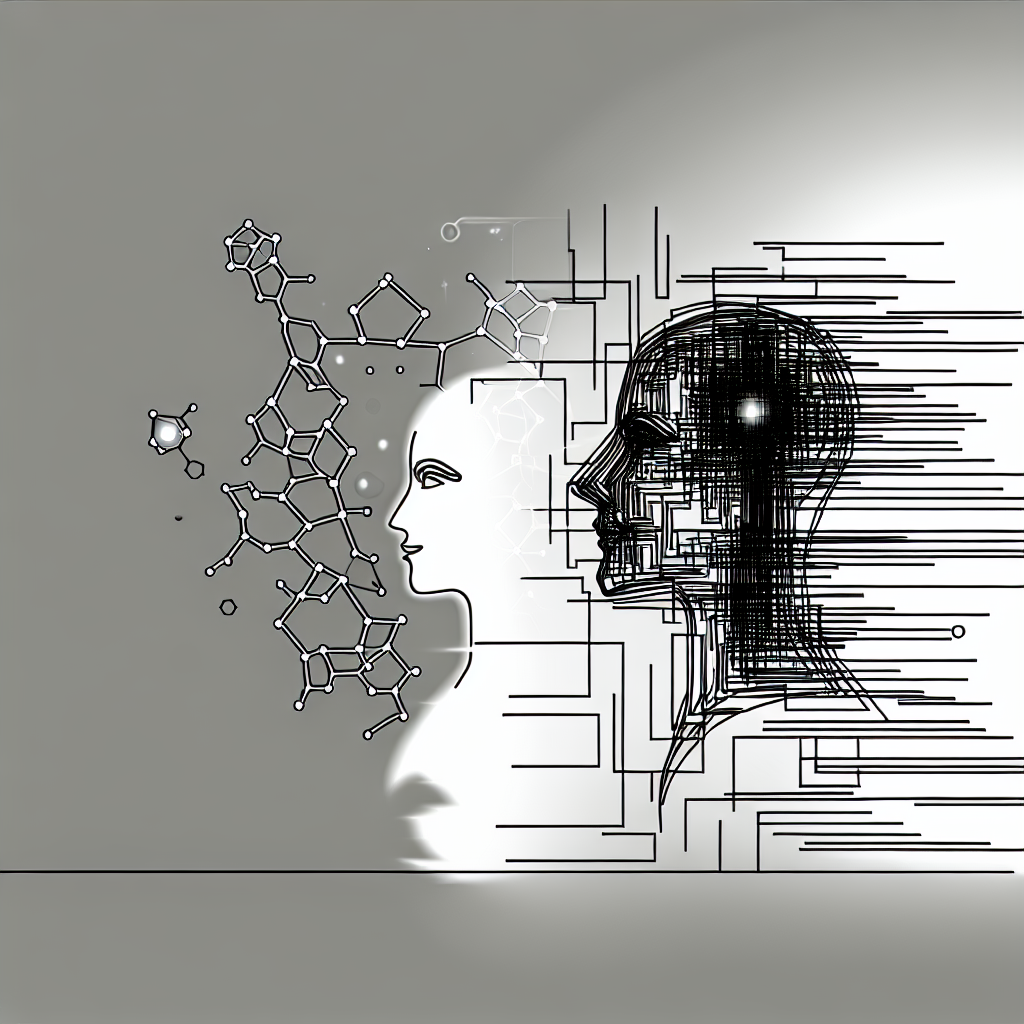
AI’s potential in cybersecurity is vast. By analyzing patterns in data, AI can identify anomalies that may signal a cyber threat, enabling organizations to respond proactively.
The Evolution of Threats and the Need for AI
Cyber threats have evolved dramatically over the past decade, with attackers utilizing increasingly complex methods to breach security systems. Malware, phishing, and ransomware attacks are now more sophisticated, often employing AI themselves to bypass traditional security measures. As a response, businesses are recognizing the necessity of integrating AI into their cybersecurity strategies.
AI systems can process and analyze large volumes of data at unprecedented speeds, something that traditional methods struggle to achieve. This capability allows for real-time monitoring of network traffic, identifying potential threats before they can cause significant harm. Research indicates that organizations employing AI-driven cybersecurity tools experience a marked reduction in incident response times, enhancing their overall security posture.
“AI not only complements existing cybersecurity measures but also transforms the way organizations approach their defense strategies.”
As cyberattacks become more frequent and severe, the urgency for adopting AI technologies in cybersecurity grows. By leveraging machine learning algorithms, AI can continuously improve its threat detection capabilities, learning from new data and adapting to emerging threats. This dynamic adaptation positions organizations to stay ahead of cybercriminals.
AI in Threat Detection
One of the most significant benefits of AI in cybersecurity is its ability to enhance threat detection. Traditional security systems often rely on predefined rules and signatures to identify threats, leaving them vulnerable to new and evolving tactics employed by attackers. In contrast, AI systems utilize machine learning to analyze behavior patterns across networks.
This approach enables AI to identify deviations from normal activity, which may indicate a potential breach. For instance, if a user typically accesses files during business hours but suddenly begins accessing sensitive data at odd hours, the AI system can flag this behavior as suspicious. By recognizing these patterns, organizations can investigate potential threats more effectively.
Moreover, AI-driven systems can automate responses to detected threats. For example, if an anomaly is detected, an AI system can trigger immediate actions such as isolating affected systems, notifying IT personnel, or even blocking access to sensitive data until the situation is assessed. This level of automation is crucial in minimizing damage during a cyber incident.
Enhancing Incident Response with AI
In addition to proactive threat detection, AI significantly enhances incident response capabilities. Traditional incident response often involves a lengthy process of investigation and remediation, which can lead to delays in addressing threats and increased risk of damage. AI streamlines this process by providing security teams with actionable insights and recommendations based on data analysis.
AI systems can quickly correlate data from various sources—such as network logs, user activity, and threat intelligence feeds—to provide a comprehensive view of an incident. This aggregation of information allows cybersecurity teams to prioritize their response efforts based on the severity and potential impact of a threat.
Furthermore, AI can assist in post-incident analysis by identifying the root cause of breaches and suggesting improvements to existing security protocols. This continuous feedback loop helps organizations strengthen their defenses against future attacks.
“The integration of AI in incident response transforms reactive measures into proactive strategies.”
Challenges and Considerations
Despite the clear advantages of integrating AI into cybersecurity, several challenges warrant attention. One significant concern is the potential for false positives—instances where legitimate activities are incorrectly flagged as threats. While AI systems are becoming increasingly sophisticated, they are not infallible. Organizations must strike a balance between vigilance and avoiding unnecessary disruptions to business operations.
Moreover, the implementation of AI in cybersecurity requires a skilled workforce capable of managing and interpreting AI-generated data. This demand for expertise can strain resources, particularly for smaller organizations. Investing in training and development is crucial to harness the full potential of AI technologies in cybersecurity.
Ethical considerations also come into play, particularly regarding data privacy. Organizations must ensure that their use of AI complies with relevant regulations and respects user privacy. Transparent practices are essential in maintaining trust with customers and stakeholders.
The Future of AI in Cybersecurity
Looking ahead, the role of AI in cybersecurity is expected to grow further as technology advances. Emerging trends such as predictive analytics and behavioral biometrics are poised to enhance threat detection and response capabilities even more. As AI technologies evolve, they will likely integrate with other emerging technologies, such as the Internet of Things (IoT) and blockchain, to create more resilient security ecosystems.
In conclusion, the integration of AI into cybersecurity represents a transformative shift in how organizations defend against cyber threats. By harnessing the power of AI for threat detection, incident response, and continuous improvement, businesses can significantly bolster their digital defenses. The journey of integrating AI into cybersecurity is ongoing, but its impact on enhancing security measures is undeniable.