The Future of AI in Education
How AI is reshaping learning experiences and educational outcomes.
The integration of artificial intelligence (AI) in education is transforming how learning experiences are designed and delivered, significantly influencing educational outcomes. This shift towards AI-driven approaches is not merely a trend; it is a fundamental change in the educational landscape. As educators and institutions increasingly adopt AI technologies, the potential for personalized learning experiences and streamlined administrative processes becomes more evident. This article delves into the ways AI is reshaping education, highlighting both its benefits and challenges.
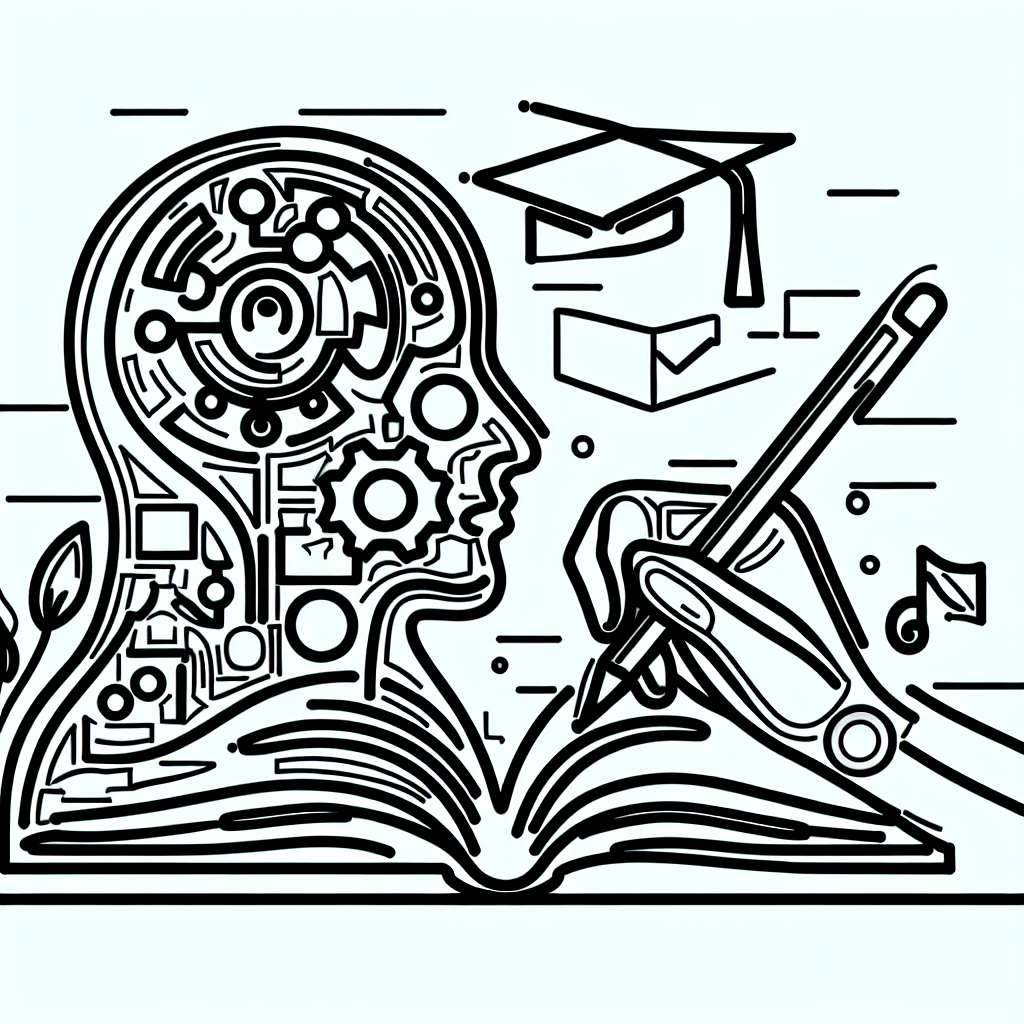
AI’s ability to adapt to individual learning styles is one of its most compelling features. The concept of personalized learning—tailoring educational experiences to meet the unique needs of each student—has gained traction in recent years. With AI, educators can analyze student performance data and provide customized resources that align with each learner’s pace and style. This not only enhances student engagement but also fosters a deeper understanding of the material.
The Role of AI in Personalized Learning
At the heart of personalized learning is the ability of AI systems to gather and analyze vast amounts of data related to student performance. For instance, adaptive learning platforms can identify gaps in knowledge and recommend targeted exercises to help students improve their understanding. Such systems use algorithms to assess a learner’s progress, adjusting the difficulty and type of content presented in real-time.
“AI technologies can offer a level of customization in education that has previously been unattainable, allowing students to learn at their own pace and according to their own abilities.”
The implications of this are profound. Students can receive immediate feedback, which is crucial in reinforcing learning and helping them correct misunderstandings. Moreover, educators are equipped with insights that allow them to intervene more effectively when a student is struggling. This relationship between AI and personalized learning creates a more supportive and responsive educational environment.
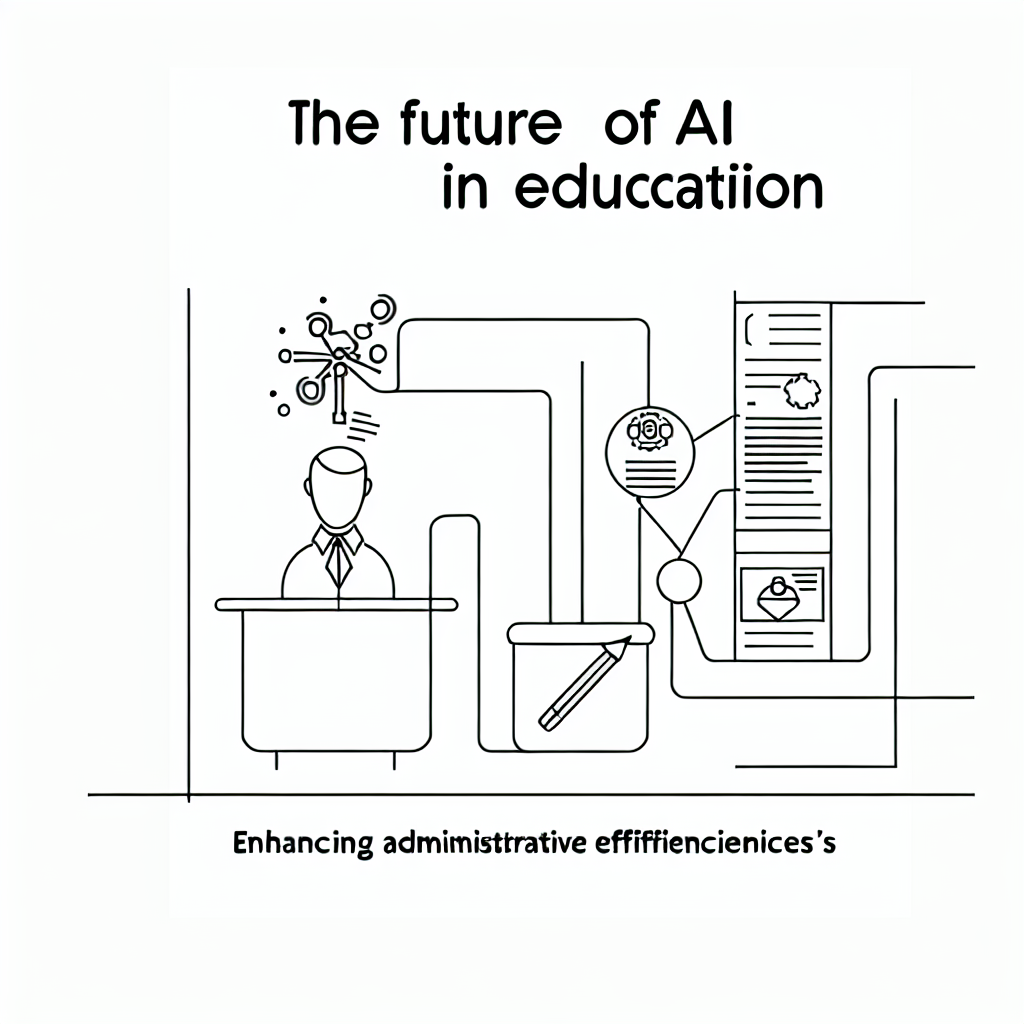
Enhancing Administrative Efficiencies
Beyond personalized learning, AI is also streamlining administrative tasks within educational settings. From scheduling to grading and even communication, AI applications are designed to reduce the burden on educators, allowing them to focus more on teaching and less on administrative duties. For example, AI can automate routine tasks like grading multiple-choice exams, freeing up time for teachers to engage in more meaningful interactions with students.
Educational institutions are leveraging AI for enrollment management and student retention strategies as well. Predictive analytics can identify at-risk students by analyzing patterns in attendance, performance, and engagement. This proactive approach enables educators to develop targeted interventions that can improve student retention and overall success rates.
Addressing Challenges and Ethical Considerations
While the integration of AI in education presents numerous advantages, it is essential to acknowledge the challenges and ethical considerations that accompany its implementation. Concerns regarding data privacy, student surveillance, and algorithmic bias must be addressed to ensure that AI technologies do not inadvertently exacerbate existing inequalities in education.
For instance, the data used to train AI systems must be representative and free from biases that could lead to unfair treatment of certain student groups. As such, ongoing discussions about ethics in AI are vital to ensure that educational technologies serve all students equitably. Educators and policymakers must collaborate to establish guidelines that safeguard student data and promote transparency in AI applications.
The Future Landscape of AI in Education

Looking ahead, the future of AI in education appears promising, yet it requires careful navigation. The potential for enhanced learning experiences and improved educational outcomes is significant, but realizing this potential depends on thoughtful integration and ethical considerations. It is likely that as technology continues to evolve, AI will play an increasingly central role in shaping how education is delivered.
Educational institutions that embrace AI innovations will potentially gain a competitive edge, attracting students and educators alike who are eager for more effective learning environments. The challenge lies in balancing technology with the human touch that is critical in education.
In conclusion, the future of AI in education is not just about technology; it is about enhancing the human experience of learning. By focusing on personalized learning and administrative efficiencies, educators can harness the power of AI to create a more engaging and effective educational landscape.